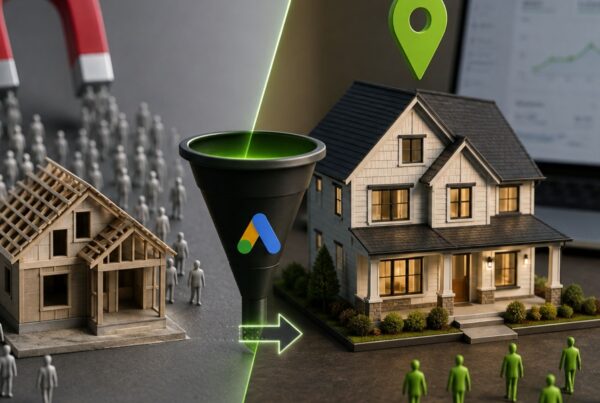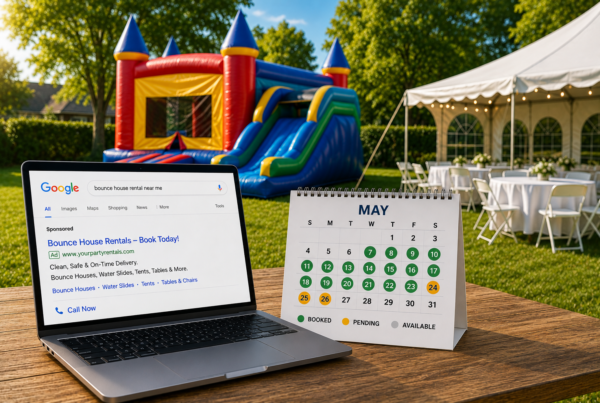


Scaling ad spend sounds exciting… until it isn’t.
Because here’s what most businesses experience:
They increase budget → performance drops → panic sets in → money gets wasted.
Not because paid ads don’t work…
But because they scaled too early.
Before you pour more fuel on the fire, you need to make sure the engine is actually running efficiently.
That’s where pre-scale metrics come in.
These are the signals that tell you whether your campaigns are ready to grow—or whether scaling will just amplify inefficiencies.
What Are Pre-Scale Metrics?
Pre-scale metrics are the key performance indicators that determine whether your advertising system is stable, predictable, and efficient enough to handle increased spend.
Think of them as readiness indicators.
They answer one simple question:
“If we double the budget… will this still work?”
If the answer isn’t a confident yes, scaling isn’t a strategy—it’s gambling.
Why Scaling Too Early Destroys ROI
Before we dive into the metrics, let’s address the real problem…
Most campaigns don’t fail because of poor targeting or bad platforms.
They fail because they scale unstable systems.
1. Inefficiencies Get Amplified
If your cost per lead is inconsistent now, it’ll only get worse at scale.
Scaling doesn’t fix problems—it multiplies them.
2. Algorithms Lose Optimization Signals
When campaigns aren’t stable, increasing spend too quickly can reset learning phases and confuse the algorithm.
Now, performance becomes unpredictable.
3. You Burn Budget Without Clarity
Without solid benchmarks, you don’t know what’s working… or why.
So when results dip, you’re left guessing instead of optimizing.
The Core Metrics That Signal You’re Ready to Scale
Let’s get into what actually matters.
These are the metrics that separate campaigns that can scale from those that shouldn’t yet.
1. Cost Per Acquisition (CPA) Stability
It’s not enough for your CPA to be “good.”
It needs to be consistent.
Ask yourself:
- Is your CPA holding steady over time?
- Or is it fluctuating wildly day to day?
A stable CPA means your system is predictable—one of the biggest green lights for scaling.
2. Conversion Rate (CVR) Efficiency
Your conversion rate tells you how well your funnel is doing its job.
If traffic is coming in but not converting, scaling traffic just means…
more wasted clicks.
Strong pre-scale benchmark:
- Consistent or improving CVR across multiple weeks
- No major drop-offs between ad clicks and conversions
3. Click-Through Rate (CTR) Engagement
CTR is your early signal of message-market fit.
If people aren’t clicking, your offer or messaging isn’t resonating.
Scaling low CTR campaigns usually leads to higher costs and lower efficiency.
4. Return on Ad Spend (ROAS) or Revenue Efficiency
At the end of the day, this is what matters.
Are your campaigns actually generating profitable returns?
But here’s the nuance…
It’s not just about hitting a good ROAS once.
You want:
- Consistent profitability
- Predictable revenue per dollar spent
5. Funnel Drop-Off Rates
Where are people falling off?
- Landing page → bounce?
- Form → abandonment?
- Checkout → hesitation?
These friction points matter more than most people realize.
Because scaling traffic into a broken funnel just creates a bigger leak.
6. Lead Quality (Not Just Volume)
More leads don’t equal better results.
If your pipeline is filled with low-quality leads, your sales team struggles—and your ROI suffers.
Before scaling, ask:
- Are leads converting into actual customers?
- Are they aligned with your ideal client?
The Real Benchmark: System Predictability
Here’s the big shift…
It’s not about hitting perfect numbers.
It’s about building a system that behaves predictably.
When your metrics stabilize, you gain control.
And when you have control, scaling becomes a calculated move—not a risk.
How This Connects to Long-Term Ad Profitability
Scaling successfully isn’t just about metrics—it’s about understanding how your entire paid traffic system works together.
From targeting and creative to funnel and follow-up, every piece needs to align.
If you want a deeper breakdown of how paid traffic turns into real ROI (not just clicks and impressions), this guide walks through the full system from setup to scaling.
When you understand the system, the metrics start to make a lot more sense.
Common Mistakes Businesses Make Before Scaling
Let’s save you from the usual traps…
Scaling Based on “Gut Feel”
“I think it’s working” is not a strategy.
If the data isn’t clear, you’re guessing.
Chasing Volume Over Efficiency
More traffic doesn’t fix weak conversion systems.
It just makes the inefficiency more expensive.
Ignoring Funnel Optimization
Ads get blamed for problems that actually exist on the landing page or checkout process.
Fix the system first—then scale.
A Smarter Way to Scale Ad Spend
If you want scaling to actually work, here’s the mindset shift:
Don’t ask:
“How do we spend more?”
Ask:
“Is our system strong enough to handle more?”
Because once your metrics are aligned…
- Your costs stabilize
- Your returns become predictable
- And scaling feels controlled instead of chaotic
Build Before You Scale
The businesses that win with Google ads services aren’t the ones who spend the most.
They’re the ones who:
- Track the right metrics
- Fix inefficiencies early
- Scale only when the data supports it
If you’re looking to better understand and improve your paid traffic performance, explore more Google Ads insights here.
Or if you want a clear picture of where your campaigns stand—and whether you’re truly ready to scale—reach out here.
Because when the foundation is right…
Scaling stops feeling risky.
And starts feeling inevitable.