

If your Facebook ads are pulling in clicks from people who treat “Add to Cart” like it’s a vision board exercise, you’re not alone. A lot of business owners pour time and money into Meta’s machine… only to attract people who were never going to buy in the first place.
Here’s the good news: it’s not your offer (probably). It’s not your ad (most of the time). It’s your targeting psychology — the invisible force steering your budget into the wrong pockets.
Let’s break this down like a friend who genuinely wants you to win.
The Silent Saboteur: “Looks Right on Paper” Targeting
On the surface, your targeting might look spot-on:
Women, 25–45. Interested in fitness. Lives in your service area.
Great, right?
But Meta targeting isn’t about demographics anymore. It’s about behavioral cues — what people do, not what they say they like. Someone who “likes fitness” could be:
- A personal trainer
- A mom researching athletic gear for her kid
- Someone who hasn’t worked out since pre-pandemic but swears they’ll start Monday
One of these people might become your customer. Two absolutely won’t.
Broad interest tags are often the culprit behind low-intent clicks that drain your budget.
The Real Reason You’re Getting the Wrong Audience
Let’s be honest: Facebook’s algorithm does its job — it finds the easiest conversions, not the best ones. That’s why you’re getting:
- Freebie hunters
- People killing time
- Serial clickers who never buy
- Shoppers who love the ad but hate commitment
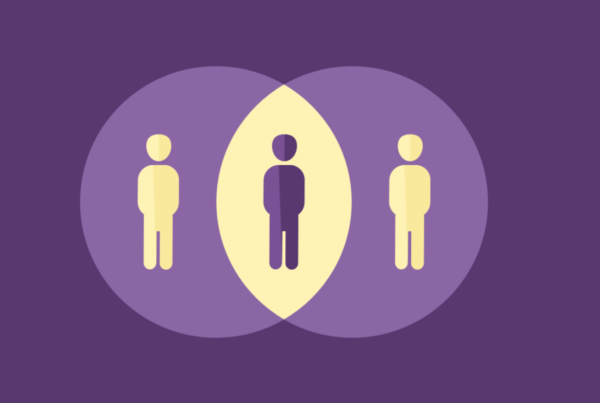
Your targeting doesn’t just influence who sees your ad. It shapes who Facebook thinks your buyer is.
If you let the wrong crowd engage with your content long enough, Meta will build an entire “lookalike” universe around people who will never convert.
That’s how advertisers accidentally teach the algorithm the wrong lessons.
The Psychology Trick Facebook Won’t Tell You
Here’s the truth: High-intent buyers behave differently.
They:
- Spend longer on the page
- Scroll deeper
- Compare
- Return later
- Click fewer ads overall
Low-intent users? They click everything, everywhere, all the time.
So when Facebook optimizes your campaign for “traffic,” guess who shows up first?
Traffic people. Not buying people.
This is why your targeting feels off — it’s not the audience itself, it’s the action you asked Facebook to optimize for.
Fix #1: Stop Optimizing for Cheap Clicks
The fastest way to improve your targeting is simple:
Stop telling Facebook you value clicks. Start telling it you value buyers.
Optimize your campaigns for:
- Leads
- Add-to-carts
- Purchases
- Calls
- High-quality landing page views
The more serious the conversion point, the more serious the audience Facebook brings you.
Clicks look sexy on a dashboard. Revenue looks sexier in your bank account.
Fix #2: Build Your Targeting Backward
Instead of guessing who your ideal customer is, start with your best past buyers and work your way out.
Use:
- Customer file uploads
- Website custom audiences
- High-intent retargeting pools
- Lookalikes built on profitable actions
This sends clearer signals to Facebook: “These are the people who actually buy — bring me more like them.”
You’re basically retraining the algorithm like you would a misbehaving puppy. Gentle, firm, and very clear about what you want.
Fix #3: Use Interest Stacking Sparingly (Or Not at All)
Old-school media buyers used to stack 15–20 interest categories.
Meta today hates that. Because human behavior is too fluid — people’s likes don’t tell you what they’ll do.
Instead:
- Choose 1–3 strong indicators of buyer intent.
- Or go broad and let the pixel sort the winners from the window-shoppers.
Less manual control = more algorithmic power. It feels counterintuitive, but Facebook’s AI is shockingly good when you stop micromanaging it.
Fix #4: Match Your Targeting to Your Message
Most advertisers do this backward.
They write the ad first, then figure out who to target.
BestLyfe rule of thumb: Your messaging defines the buyer, not the other way around.
If your ad speaks to:
- Beginners
- Strugglers
- Bargain hunters
Guess who you attract?
Instead, craft your ad like you’re talking directly to your best, highest-value customer. This naturally repels the wrong crowd and pulls in the right ones.
Ads act as filters. Use them like one.
Fix #5: Tighten Your Funnel Instead of Shrinking Your Audience
Most advertisers think they need better targeting. What they actually need is better qualification.
Your landing page, your hook, your lead magnet, your headline — all of these should make low-intent people self-select out.
Let your funnel do the filtering. Let your audience go wide.
Facebook loves breadth. Your conversions love clarity.
You Don’t Have to Settle for Low-Intent Traffic
Most advertisers think bad targeting is their fault.
The truth is, you’ve probably just been optimizing for the wrong outcome and giving Facebook the wrong signals.
When you combine buyer psychology with modern Meta strategy, you get something powerful:
Clear intent. Clear audiences. Clear results.
The wrong crowd stops showing up. The right crowd feels like you’ve been speaking directly to them all along.
And that’s where the magic happens.
Before you blame performance on visuals or copy, take a minute to unpack how paid social campaigns fail long before the creative does and what actually causes the drop-off.