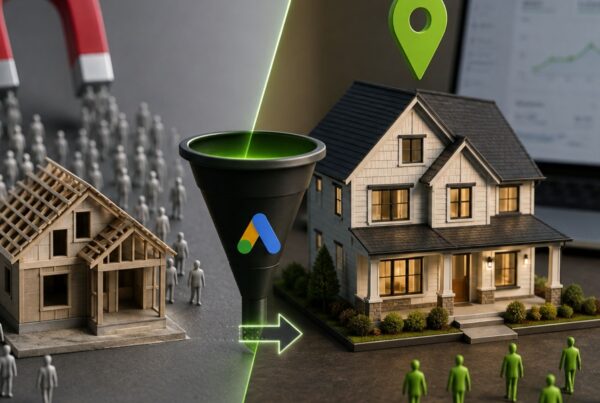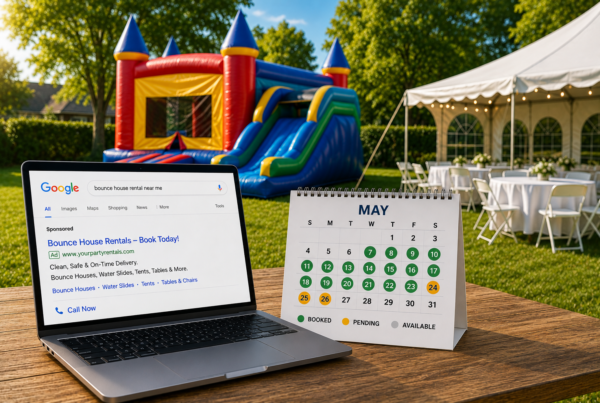


Paid traffic gets a bad reputation—and honestly, it’s earned.
You’ve probably heard some version of this before:
- “We tried Google Ads. It didn’t work.”
- “We spent money but didn’t see ROI.”
- “Ads are just a money pit unless you have a huge budget.”
Here’s the truth most agencies won’t tell you:
Paid traffic doesn’t fail because ads don’t work.
It fails because most campaigns are built without a real ROI system behind them.
At BestLyfe Group, we don’t treat paid traffic like a slot machine. We treat it like an engine—one that needs the right setup, clean signals, and ongoing optimization before it ever scales profitably.
This guide breaks down how paid traffic actually generates ROI, from the foundation stage all the way through scale—so you can finally understand what’s happening behind the curtain.
First, Let’s Redefine “ROI” in Paid Advertising
Most business owners think ROI means:
“I put in $1 and immediately get $2 back.”
That can happen—but expecting that from day one is how campaigns get killed too early.
In reality, paid traffic ROI is cumulative, not instant.
Real ROI comes from:
- Clear offer positioning
- Proper tracking and attribution
- High-quality data signals
- Iterative optimization over time
- Smart scaling decisions (not emotional ones)
Paid media is not the fix for a broken business model.
It’s an amplifier for what already works—or a spotlight on what doesn’t.
Phase 1: Foundation & Setup (Where ROI Is Either Built or Broken)
This is the phase most advertisers rush—and pay for later.
Offer Clarity Comes First
Before a single dollar is spent, one question matters more than anything else:
Why should someone choose you?
If your offer is vague, undifferentiated, or confusing, ads won’t fix that. They’ll just expose it faster.
ROI-friendly campaigns start with:
- A clear problem you solve
- A specific outcome you deliver
- A reason to trust you over competitors
Funnel Alignment Matters More Than Clicks
Sending traffic to a generic homepage and hoping for the best is not a strategy.
Your landing experience must match:
- The intent of the search
- The promise of the ad
- The action you want the user to take
If the message breaks at any point, conversion rates suffer—and ROI disappears.
Tracking & Attribution Are Non-Negotiable
If you can’t measure it, you can’t optimize it.
Proper setup includes:
- Conversion tracking
- Call tracking (for service businesses)
- Analytics that show what happens after the click
This is where many “failed” campaigns actually go wrong—businesses are flying blind without realizing it.
Phase 2: Signal Quality & Early Optimization
Once campaigns go live, Google enters its learning phase—and this is where patience matters.
Why Early Performance Is Often Misunderstood
In the beginning, Google is collecting data:
- Who clicks
- Who converts
- Which searches lead to real actions
- Which ads align with buyer intent
During this phase, results can feel inconsistent. That doesn’t mean ads aren’t working—it means the system is learning.
Killing campaigns too early is one of the fastest ways to sabotage long-term advertising profitability.
Signal Quality Drives Paid Media Efficiency
Google rewards clean, consistent data.
Strong signals come from:
- Relevant keywords and search intent
- Well-structured campaigns
- Conversion actions that reflect real business value
The better the signals, the more efficiently your ads are shown—and the lower your costs over time.
Phase 3: Performance, Profitability & Control
This is where ROI starts to stabilize.
At this stage, the focus shifts from:
“Are we getting leads?”
To:
“Are we getting the right leads at a sustainable cost?”
Campaign Performance ≠ Vanity Metrics
Clicks, impressions, and CTR look nice—but they don’t pay the bills.
Real performance analysis focuses on:
- Cost per qualified lead
- Conversion quality
- Sales outcomes
- Lifetime value (where applicable)
This is where many agencies fall short—they optimize for dashboards, not business outcomes.
Advertising Profitability Is About Control
True ROI isn’t just about making money—it’s about predictability.
When campaigns are structured correctly, you gain control over:
- Budget pacing
- Cost thresholds
- Volume vs. efficiency trade-offs
That control is what allows paid traffic to become a growth lever instead of a gamble.
Phase 4: Scaling Without Breaking What Works
Scaling is where ROI is either multiplied or destroyed.
What Scaling Actually Means
Scaling doesn’t mean:
- “Double the budget and hope.”
- “Turn everything up at once.”
Real scaling means:
- Expanding what’s already profitable
- Protecting efficiency while increasing volume
- Testing incrementally, not emotionally
Why Most Accounts Collapse at Scale
Common mistakes include:
- Expanding too fast
- Ignoring diminishing returns
- Losing message alignment
- Scaling spend without improving conversion systems
Sustainable ROI at scale requires discipline, data, and experience—not guesses.
Why “Google Ads Didn’t Work” Is Rarely the Full Story
When ads fail, it’s usually not because:
- Google Ads are broken
- Paid traffic doesn’t work in your industry
- People don’t click ads anymore
It’s usually because:
- The foundation wasn’t solid
- The data wasn’t clean
- The campaign wasn’t given time to mature
- The strategy focused on activity, not outcomes
Paid media efficiency is built—not bought.
Where BestLyfe Group Fits Into the Equation
At BestLyfe Group, we don’t sell ads—we build paid traffic systems.
Our Google Ads approach is designed to:
- Align ads with real business goals
- Prioritize long-term ROI over short-term spikes
- Combine strategy, tracking, creative, and optimization into one cohesive system
If you want to explore how this works in practice, our
Google Ads services
are built specifically for businesses that want clarity, control, and sustainable growth—not quick wins that disappear next month.
The Bottom Line
Paid traffic isn’t magic—and it’s not a scam.
When done correctly, it’s one of the most predictable ways to:
- Generate qualified demand
- Control lead flow
- Scale revenue with intent
But ROI doesn’t come from the ads alone.
It comes from how everything around the ads is built.
If you’re tired of guessing and ready to understand what paid traffic should be doing for your business, that’s where the real conversation starts.
And when you’re ready to have it, we’re here.
Contact Us