
Google Ads for HVAC: What’s Actually Eating Your Budget
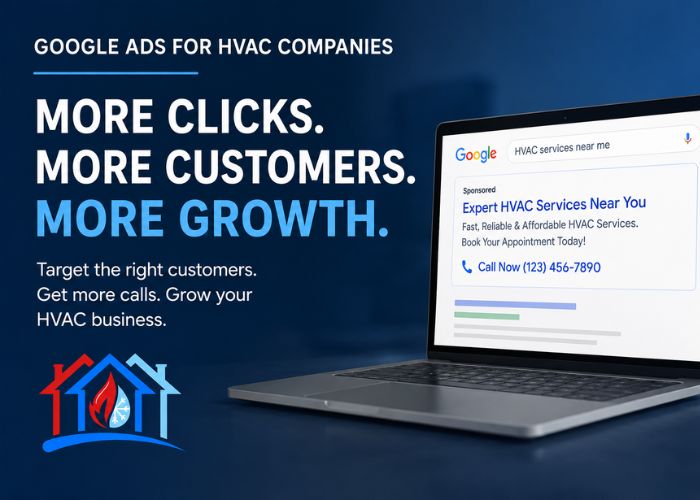
Google Ads can be a great channel for HVAC companies. When someone is searching for AC repair during a heat wave or furnace help in the middle of winter, the intent is already there. They need a solution, and they usually need it fast.
That is why HVAC paid search can work so well.
It is also why it gets expensive fast.
The problem is that many HVAC companies think their Google Ads issue is simply a budget issue. They assume if they spend more, they will get more leads. Sometimes that is true, but only when the campaign has the right structure behind it. If the system is leaking money, increasing the budget just makes the leak bigger. Congrats, you bought a more expensive problem.
Most wasted HVAC ad spend does not come from one giant mistake. It usually comes from several small issues working together: loose targeting, weak landing pages, poor tracking, slow follow-up, and campaigns that are optimized for clicks instead of booked jobs.
HVAC Clicks Are Expensive Because the Intent Is High
HVAC is one of the most competitive local advertising categories because the searches are tied to urgent, high-value services. A homeowner searching for emergency AC repair is not casually browsing. They are hot, annoyed, and probably one bad thermostat reading away from making a decision.
That urgency drives competition. More companies bid on the same searches, and cost-per-click rises. In some markets, HVAC clicks can become very expensive, especially around emergency repair, system replacement, and peak seasonal demand.
This is where campaign discipline matters. When each click costs real money, you cannot afford to treat every search like it has the same value. A search for “AC repair near me” is very different from “how to fix my AC at home.” One might become a booked service call. The other might become a YouTube rabbit hole and a very confident homeowner with a screwdriver. Those are not the same audience.
The First Budget Leak Is Poor Search Intent Control
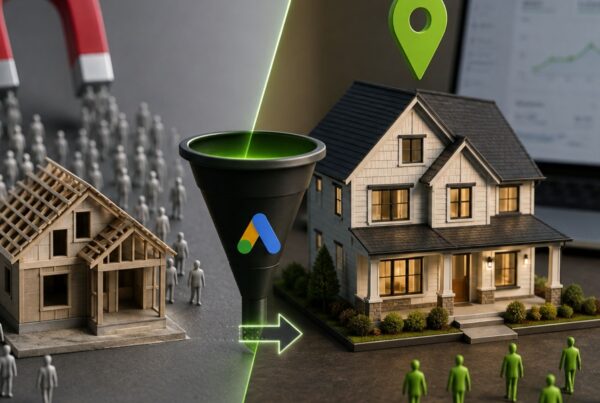
One of the fastest ways HVAC companies waste money in Google Ads is by letting campaigns chase searches that are too broad, too vague, or too far from buying intent.
Broad match keywords can be useful in the right hands, but they can also open the door to traffic that looks related on paper and performs terribly in real life. Google’s automation is powerful, but it still needs boundaries. Without those boundaries, your campaign may spend money on searches from job seekers, DIY users, renters looking for landlord advice, or people outside your service area.
A strong HVAC Google Ads strategy should separate high-intent service searches from low-value traffic. That means reviewing search terms, tightening match types where needed, adding negative keywords, and making sure the campaign is not wandering into search territory that has no business eating your budget.
Good PPC management is not just about finding the right keywords. It is about knowing which searches to block before they drain your spend quietly in the background.
Your Landing Page Can Make Every Click More Expensive
This is the part a lot of HVAC companies do not want to hear: sometimes the ads are not the main problem.
The landing page is.
If someone clicks your ad and lands on a slow, cluttered, outdated page, your cost-per-lead goes up. Not because Google is punishing you personally, although it can feel that way, but because fewer visitors are converting. When fewer clicks become leads, you have to buy more clicks to get the same result.
A good HVAC landing page should make the next step obvious. The phone number should be easy to find. The service area should be clear. The page should load quickly on mobile. Reviews, financing options, emergency availability, and trust signals should be visible without making users dig through a digital junk drawer.
HVAC customers are often stressed when they search. They are not in the mood to solve a website puzzle. If they cannot quickly figure out who you are, where you work, and how to contact you, they will go back to Google and click the next company.
Bad Tracking Makes Bad Decisions Look Smart
If conversion tracking is not set up correctly, your campaign may look healthier than it really is. That is dangerous because bad data leads to bad optimization.
For HVAC companies, tracking should not stop at clicks. You need to know which campaigns are producing actual calls, form submissions, booked appointments, and qualified leads. Otherwise, Google Ads can start optimizing toward activity that feels productive but does not actually generate revenue.
For example, a campaign might deliver a lot of form fills, but if those leads are outside the service area or asking for services you do not offer, that traffic is not helping. Another campaign might generate fewer leads but better booked jobs. Without clean tracking, you may cut the winner and scale the problem child. Classic marketing faceplant.
HVAC Google Ads should be managed around lead quality, not vanity metrics.
Slow Follow-Up Can Make Good Ads Look Bad
Sometimes the campaign does its job perfectly. The ad shows up. The customer clicks. The lead comes in.
Then nobody responds quickly enough.
This is one of the most expensive hidden problems in HVAC advertising. The customer who needs repair help is not waiting around all day out of loyalty to your brand. They are calling the next company, then the next one, until someone answers and sounds competent.
Speed-to-lead matters because HVAC searches often happen in urgent moments. If your team misses calls, delays callbacks, or lets form submissions sit overnight, your Google Ads budget takes the blame for an operational problem.
That is why paid search works best when it is connected to a real follow-up process. Call tracking, missed-call text back, CRM workflows, and clear dispatch communication can make a major difference in how many paid leads turn into real jobs.
Reviews Influence Paid Ads More Than Most HVAC Owners Realize
Reviews are not just an SEO thing. They affect paid search performance because they affect trust.
When someone sees your ad, they do not evaluate it in isolation. They compare you against the other companies on the page. If your competitor has hundreds of recent reviews and your profile looks quiet, outdated, or inconsistent, that difference can change who gets the click and who gets the call.
Strong review profiles can improve click-through behavior and conversion confidence. Weak review profiles create hesitation, and hesitation is where leads go to die.
This does not mean reviews magically fix a broken campaign. They do not. But they absolutely support ad performance by making the customer feel safer choosing you.
Retargeting Helps Recover the Traffic You Already Paid For
Not every HVAC customer converts on the first visit. Some compare companies. Some get distracted. Some click, leave, and come back later after the house gets three degrees hotter and patience leaves the building.
That is where retargeting helps.
If someone already visited your website, viewed a service page, or started the contact process, they are warmer than a completely cold searcher. Retargeting gives you another chance to stay visible and bring them back before they choose a competitor.
For HVAC companies, retargeting can be especially useful around higher-ticket services like system replacement, seasonal tune-ups, indoor air quality upgrades, and financing-based offers. These buyers may need more than one touch before they are ready to schedule.
The point is simple: if you paid to get someone to your site, do not let that traffic disappear without a second move.
Seasonal Spending Can Expose Weak Campaign Structure
HVAC demand is seasonal, which means ad performance can swing quickly. During peak summer and winter months, competition rises, cost-per-click increases, and customers make decisions faster. During shoulder seasons, demand may soften and campaigns need to work harder to produce the same lead volume.
This is where panic spending becomes a problem.
When call volume dips, it is tempting to raise the budget and hope the leads come back. But if the campaign structure is weak, more budget just feeds the same inefficiencies. A better approach is to prepare before peak season with better landing pages, tighter targeting, stronger tracking, and clear offers that match the season.
Google Ads performs better when it is planned around HVAC demand cycles, not adjusted emotionally after the phones slow down.
What Actually Eats an HVAC Google Ads Budget?
Most HVAC ad budgets are not wasted because Google Ads “doesn’t work.” They are wasted because too many pieces around the campaign are loose.
- Poor intent control: campaigns paying for searches that are not likely to become customers.
- Weak landing pages: paid traffic arriving on pages that do not build trust or make contact easy.
- Bad tracking: decisions being made from incomplete or misleading data.
- Slow lead response: real opportunities lost before the team follows up.
- Missing retargeting: paid traffic leaving once and never being brought back.
Fixing those areas usually does more than simply increasing the ad budget. It makes every dollar work harder.
Final Thoughts: Better Google Ads Start With a Better System
Google Ads can absolutely drive HVAC leads. But it is not a vending machine where you insert budget and receive booked jobs.
Paid search works best when the campaign, landing page, tracking, reputation, and follow-up process are all working together. When one of those pieces breaks, the budget feels the pain.
The HVAC companies winning with Google Ads are not just spending more. They are spending HVAC digital marketing budget smarter. They understand which searches matter, how to convert paid traffic, and how to follow up before the lead goes cold.
That is the real difference.
Most HVAC companies do not need a bigger ad budget first. They need a cleaner, tighter, smarter advertising system that turns high-intent searches into booked jobs without letting money leak out of every corner.